1
Kingston City Hall and old Parliament building
Pass byThe route passes through Kingston, Canada’s former capital, with views of the old Parliament building, now Kingston City Hall.
For travelers who want to cover Eastern Canada cleanly in one short trip, this itinerary works well. In three days it threads together Ottawa, Montreal, Quebec City and the Thousand Islands into an itinerary that feels complete, not rushed.

This itinerary is designed to cover several signature stops without feeling like a rushed checklist. What makes it work is the sequence: Ottawa gives the route structure, Montreal adds French-speaking city energy, Quebec City delivers the strongest sense of place, and the Thousand Islands bring in a scenic finish before returning to Toronto.
For travelers who only have a few days but still want to come back feeling they actually saw Eastern Canada, this product is easy for travelers to understand and compare. It covers signature stops without needing a long vacation, and it offers more than one kind of memorable moment along the way.
For first-time visitors, understanding the city order and where the mood peaks usually makes the trip easier to evaluate than reading dense itinerary text first.
These points make it easier to judge how the route flows, what stands out most, and whether it deserves a place on your shortlist.
Government landmarks, French-speaking city life, old-world streets and waterfront scenery each have their own role, so the trip feels thoughtfully paced rather than a list of random stops.
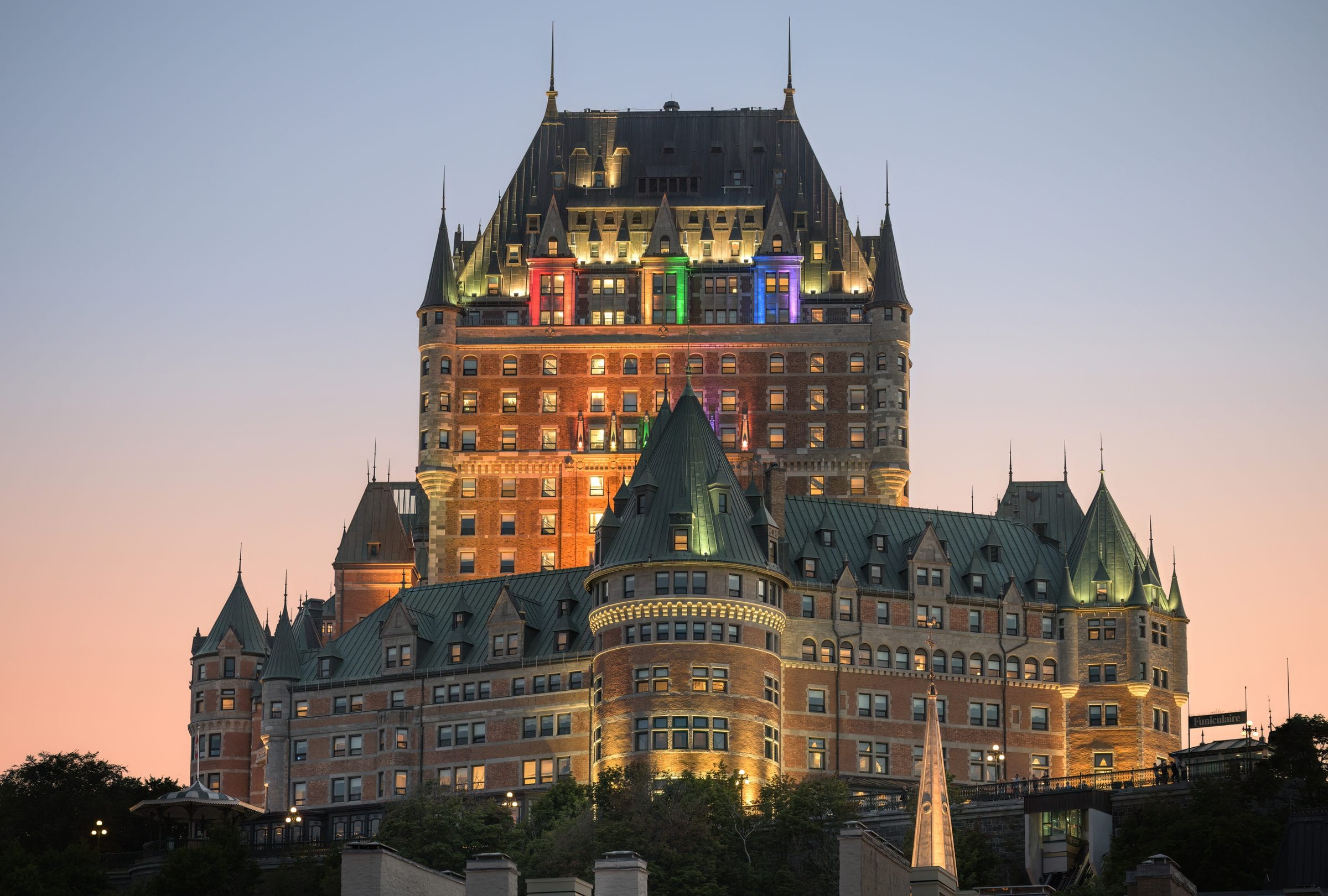
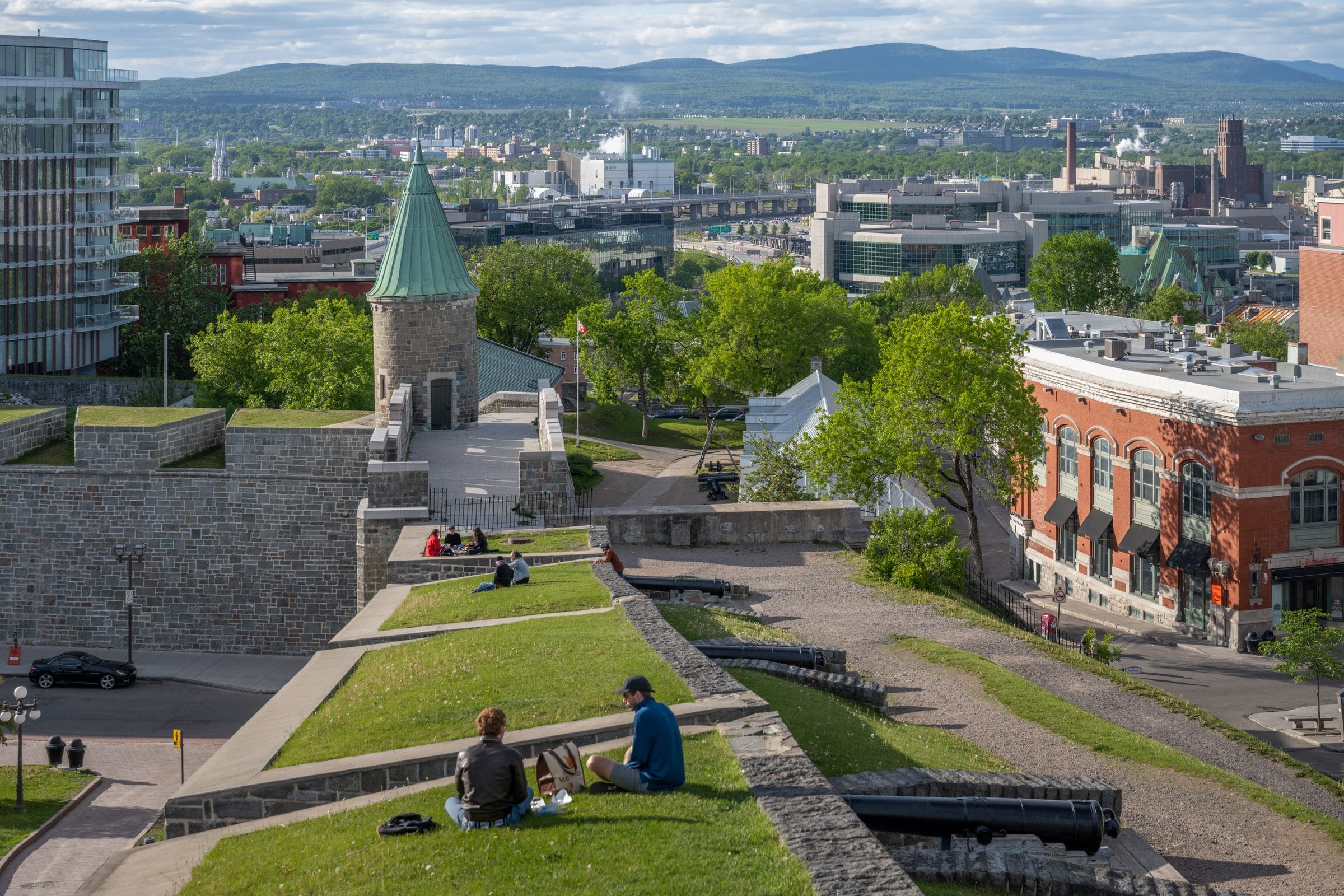
Cobblestone lanes, fortified walls, Chateau Frontenac and river views give this route the kind of imagery travelers remember and share. It is the clearest emotional peak on the page.
In the warmer months the cruise is an easy scenic hook. In colder seasons the product still benefits from that waterfront framing, even when exact activities depend on departure date and weather.
Roundtrip Toronto logistics, familiar flagship cities and a route that is easy to explain make this a straightforward choice for guests who want coverage without complexity.
The first day works because it gives the trip context early. Kingston hints at older Eastern Canada, Ottawa brings in national landmarks, and Montreal shifts the tone toward French-speaking urban culture rather than leaving the route as a simple transfer day.
This is the day with the strongest emotional pull. Montreal adds substance through its religious and cultural sites, but Quebec City is what gives the route its most memorable mood and clearest visual identity.
Instead of ending with a plain ride back, the route holds one final scenic chapter. The Thousand Islands give the itinerary a lighter finish and help the overall trip feel rounded rather than front-loaded.
If you want to decide quickly whether this route belongs on your shortlist, this section explains the trip through coverage, pacing, scenery and overall travel feel.
In only three days, guests still touch the national capital, French-speaking Montreal, Quebec City's old-world setting and the Thousand Islands. That range is exactly what makes the route attractive for first-time visitors.
The route starts with history and national landmarks, moves into French-Canadian urban character, then peaks in Quebec City before easing into a scenic waterfront finish. It feels curated, not mechanically assembled.
Trips like this often feel easier to justify because the spend feels manageable, yet the guest still comes home with recognisable memories they can talk about: the capital, old Quebec streets and the Thousand Islands landscape.
Warm months naturally lean on cruising, riverside views and city gardens. Fall can lean into foliage. Winter can shift toward snow scenes and date-specific seasonal elements, so the page can stay seasonally relevant without changing the route itself.
If you want a short Eastern Canada trip that feels fuller than its length suggests, this route belongs near the top of the shortlist.
Check dates, room types, and budget range first, then decide whether to continue online or confirm the finer details with an advisor.
The page shows a reference price in the currently selected currency. Final pricing can still change with the departure date, room type, traveler count, taxes, mandatory charges, and final confirmation. If you want to confirm child pricing, pickup details, hotels, admissions, or gratuities before payment, you can contact an advisor first.
Before you book, here is a clearer view of what is shown on this page, what is usually not included, and what is worth confirming for your selected departure.
Cancellation and change rules may vary by supplier, departure date and payment status. Please confirm the applicable policy before payment.
Each day brings together the route, why it matters, the main stops, accommodation, meals and details to confirm for the selected departure.
The first day works best when it is framed as the foundation of the trip, not just the way to get east. Kingston introduces an older side of the region, Ottawa raises the level with national institutions, and Montreal sets up the French-speaking city atmosphere for the next chapter.
The route passes through Kingston, Canada’s former capital, with views of the old Parliament building, now Kingston City Hall.
Queen's University is noted in the published route as part of the Kingston city view before continuing toward Ottawa.
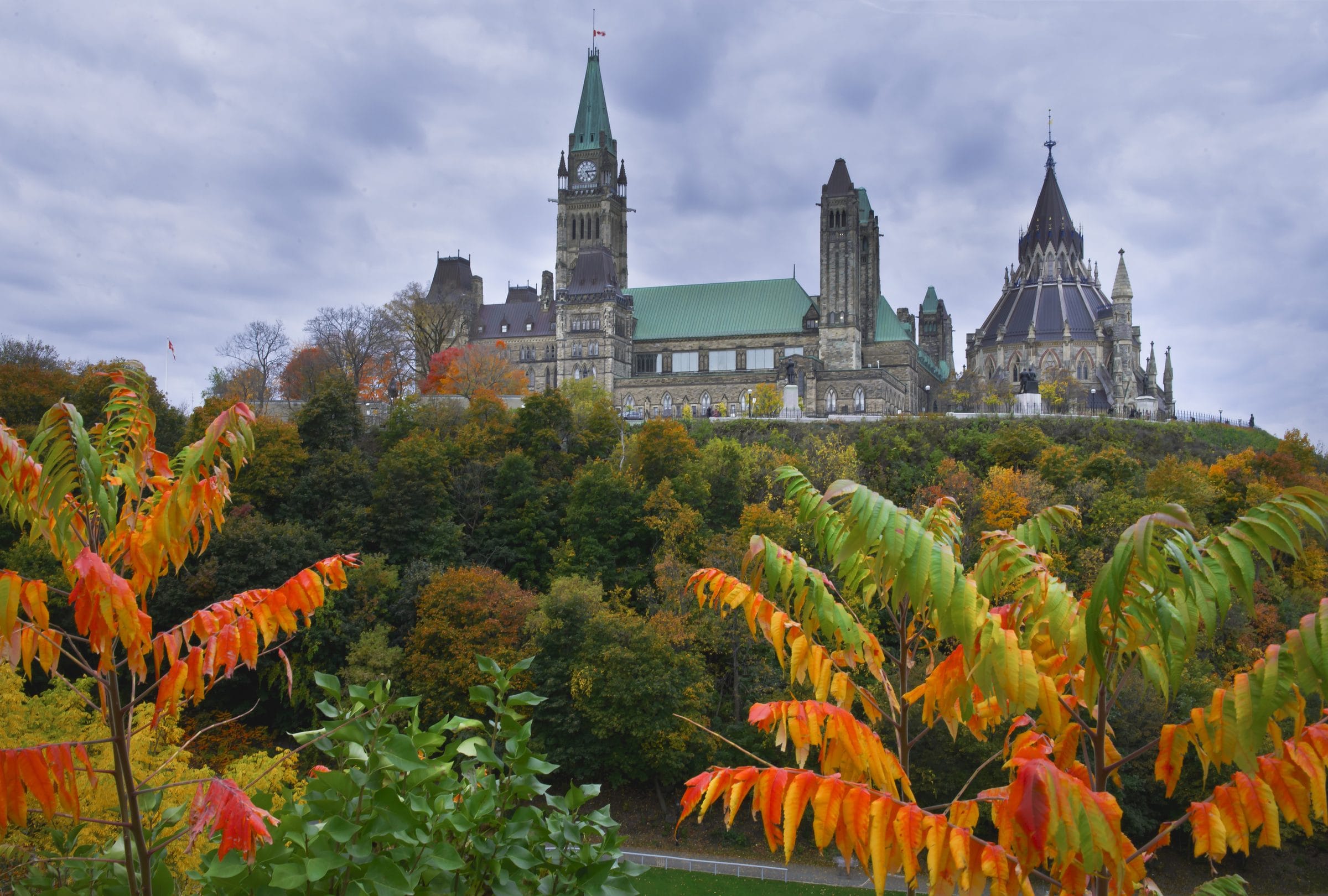
The Ottawa portion highlights the Parliament Hill area and the capital-city atmosphere before continuing through the museum district.
The published itinerary includes the Canadian War Museum as a major Ottawa stop focused on Canada’s military history.
The route also lists the Canadian Museum of History before the drive continues toward Montreal.
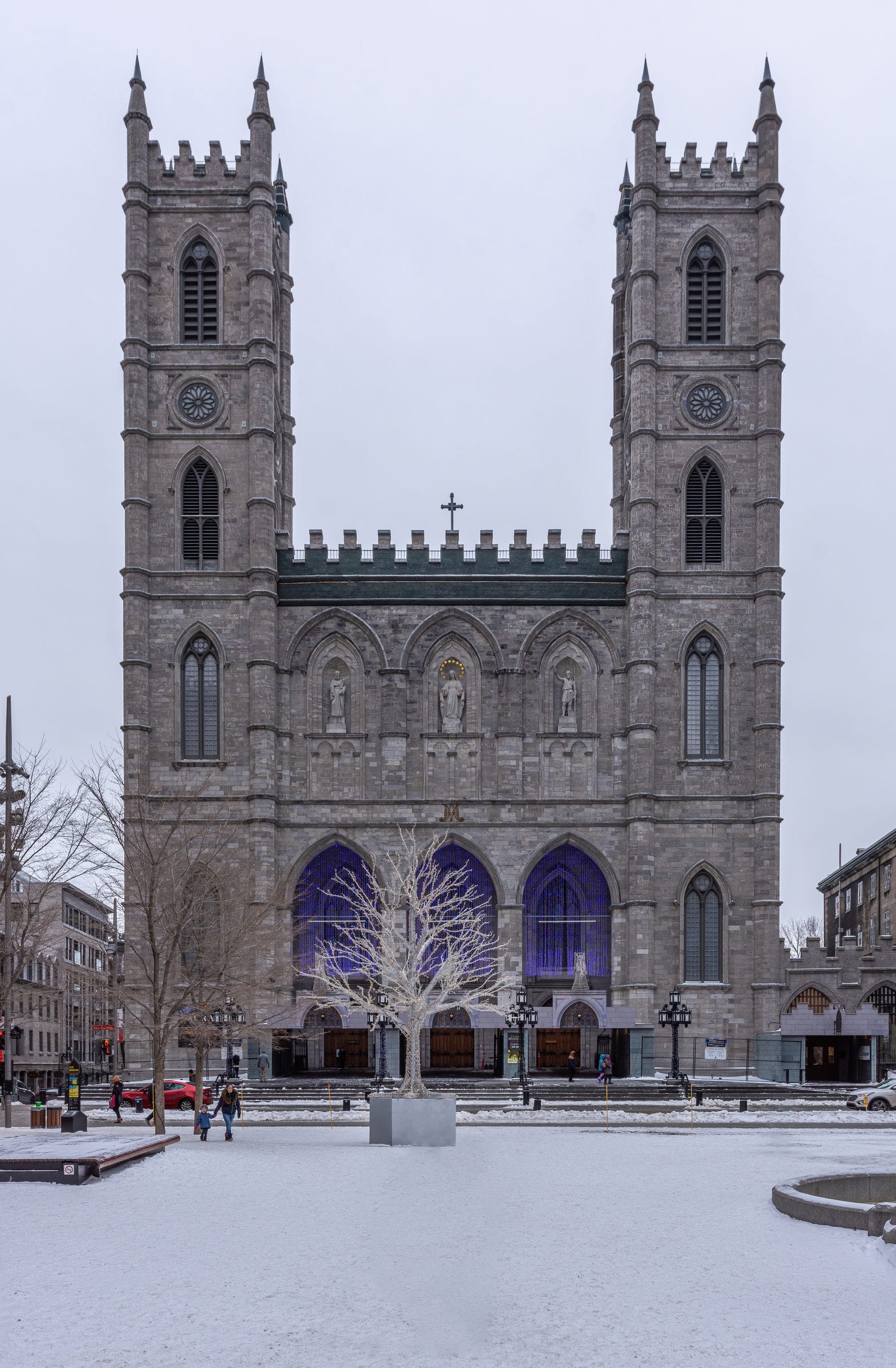
The day closes with Old Montreal, Notre-Dame Basilica exterior viewing and Chinatown before hotel check-in.
This is the day that usually becomes the emotional center of the route. Montreal adds cultural weight through churches, gardens or museum-style stops, but Quebec City is still the real center of gravity. The old walls, river views and historic core are what make the trip feel especially memorable.
The Montreal program usually starts with one of the city’s most recognizable hilltop religious landmarks.
The published route may include Montreal’s ecological attraction area; exact operating arrangement varies by departure.
In warmer-season versions, the Botanical Garden can be part of the Montreal sightseeing rhythm before heading to Quebec City.
A maple-themed meal or sugar shack experience may be offered on selected departures and should be confirmed before booking.
The day builds toward Old Quebec City, where the historic streets and French-Canadian setting become the main evening highlight.
Many short tours lose energy on the final day. This one keeps a scenic chapter for the journey back instead. The Thousand Islands soften the pace after the city-heavy first two days and give the route a more balanced ending.
The final day leaves Quebec City and begins the return toward Ontario after the overnight stay.
Winter departures may offer a dog-sledding experience, subject to weather, availability and selected departure rules.
Where available, a helicopter experience may be offered as an optional way to view the Thousand Islands region.
In the warmer season, the itinerary highlights the Thousand Islands cruise area before returning to Toronto.
The route returns to Toronto in the evening traffic window, completing the Eastern Canada loop.
If you like this route's pacing or destination mix, these similar options are worth comparing side by side.